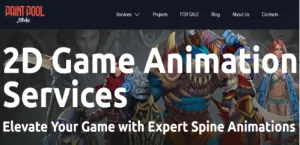
Game animation plays an important role in creating engaging digital experiences. Whether a player is exploring a fantasy world, controlling a fighting character, or interacting with a mobile game, smooth animation makes every action feel more natural. Character movements, facial expressions, and small visual details help establish the atmosphere and make the gameplay more enjoyable. Developers must carefully consider how characters move and respond to different situations to create a polished experience.
For 2D games, skeletal animation has become a practical way to create flexible character movements without producing a separate image for every frame. As game studios look for more efficient ways to animate characters while maintaining smooth and expressive movements, spine animation services offer a useful approach to building reusable animations for different gameplay situations.
Understanding Skeletal Animation in Game Development
Skeletal animation is a technique that uses a digital skeleton to control different parts of a character. Instead of drawing every movement from scratch, artists create a character using separate body parts and connect them through bones and joints. These components work together to produce different poses and movements.
This approach offers several advantages for developers. Characters can perform multiple actions while maintaining their original visual appearance. Artists can also adjust movements, create new animations, and reuse existing assets without rebuilding the entire character.
How the Animation Process Works
The process usually begins with character illustration. Artists create the character’s body parts, including the head, arms, legs, clothing, and accessories. These elements are then prepared for rigging and animation.
The main stages include:
- Character preparation: The original artwork is separated into individual elements that can move independently.
- Rigging: Artists create a skeleton by placing bones and joints inside the character.
- Weight painting: Different parts of the artwork are assigned to bones to control how they move.
- Animation: Artists create movements such as walking, running, jumping, attacking, and interacting with objects.
- Testing: Animations are reviewed to identify visual issues, unnatural movements, or inconsistencies.
Each stage contributes to the final result. Proper preparation and rigging are particularly important because problems in the early stages can affect the quality of the entire animation.
Why Smooth Character Animation Matters
Players often judge a game by how responsive and natural its characters feel. Even a visually attractive character can appear unfinished if its movements are stiff or poorly timed. Good animation creates a connection between the player’s actions and what happens on the screen.
For example, a character that jumps should have a clear anticipation movement before leaving the ground. Its body should respond naturally during the jump and return to a balanced position after landing. These small details make movements easier to understand and improve the overall experience.
Creating Personality Through Movement
Animation is not only about movement. It also communicates personality. A confident hero may walk with strong, controlled movements, while a nervous character might use smaller steps and less stable body positions.
Artists can communicate different emotions through:
- Facial expressions and eye movements.
- Body posture and gestures.
- Walking and running styles.
- Attack and defensive movements.
- Idle animations and reactions.
- Timing, speed, and movement transitions.
These details are especially important in story-driven games, where characters need to communicate emotions even when dialogue is limited.
Applications of Spine Animation Across Different Game Genres
Different game genres require different animation styles. A platformer may need jumping, climbing, and landing animations, while a strategy game may focus more on character interactions and environmental movements.
Skeletal animation provides flexibility for many of these requirements.
Mobile and Casual Games
Mobile games often use colorful 2D characters with simple but expressive movements. Characters may need to perform several actions during short gameplay sessions. Reusable animations help developers maintain visual consistency while keeping production manageable.
RPG and Adventure Games
Role-playing games usually feature characters with more detailed movement requirements. Heroes, enemies, and supporting characters may need different combat styles, emotional reactions, and movement sets. A well-organized animation system makes it easier to expand these characters as the game develops.
Slot and Casino Games
Slot games also depend heavily on animation to create engaging visual experiences. Reels, symbols, bonus characters, and reward screens can all benefit from carefully designed movements.
Common animation elements include:
- Winning symbol effects and transitions.
- Animated characters during bonus rounds.
- Reactions when players unlock rewards.
- Background movements and environmental effects.
- Special animations for major wins.
These elements should support the gameplay rather than distract players from important information.
The Role of 2D Art and Character Design
High-quality animation starts with strong visual design. A character needs a clear silhouette, balanced proportions, and artwork that can be separated into movable components. If the original illustration is not prepared correctly, the animation process can become more difficult.
Artists must also consider how the character will look from different angles and during different movements. For example, an arm that looks correct in a standing pose may appear unnatural when raised above the head.
Preparing Artwork for Better Results
A few important practices can improve the quality of animation projects:
- Keep movable body parts on separate layers.
- Avoid unnecessary overlaps between artwork components.
- Place joints carefully to support natural movement.
- Maintain consistent proportions across different poses.
- Test the character in multiple positions before completing the animation.
- Keep animation files organized for easier revisions.
Good preparation saves time and makes future adjustments easier for both artists and developers.
Choosing the Right Animation Workflow
Every game project has different technical and artistic requirements. Before selecting an animation workflow, developers should consider the visual style, target platforms, character complexity, and expected number of animations.
A simple mobile game may only require a few basic character movements, while a larger project might need hundreds of animations for different characters and gameplay situations.
Studios should also consider how animation assets will be integrated into the game engine. Compatibility, file organization, performance, and revision requirements all influence the final production process.
Working With an Experienced Game Art Team
Outsourcing can be useful when an internal development team does not have enough time or specialized animation expertise. An experienced external team can help with character illustration, rigging, animation production, and other visual development tasks.
PaintPool Studio works within the game art production space, covering creative areas such as character design, 2D and 3D art, animation, and visual development. Its animation-related capabilities can be relevant to studios looking for additional production support while maintaining a consistent artistic direction.
However, choosing an outsourcing partner should involve more than reviewing attractive portfolio images. Developers should also evaluate technical experience, communication, revision policies, and the ability to follow project-specific requirements.
Final Thoughts
Character animation is an important part of modern game development because it gives digital characters movement, emotion, and personality. Skeletal animation offers an efficient approach for creating reusable 2D movements while allowing artists to maintain visual consistency across different scenes and gameplay situations.
From mobile adventures and role-playing games to animated slot experiences, the right animation workflow can improve both presentation and player engagement. By combining strong character design, careful rigging, and thoughtful animation, game studios can create memorable experiences that feel polished from the first interaction to the final scene.